Allow People to Add a Review to the Website Without Being Logged in
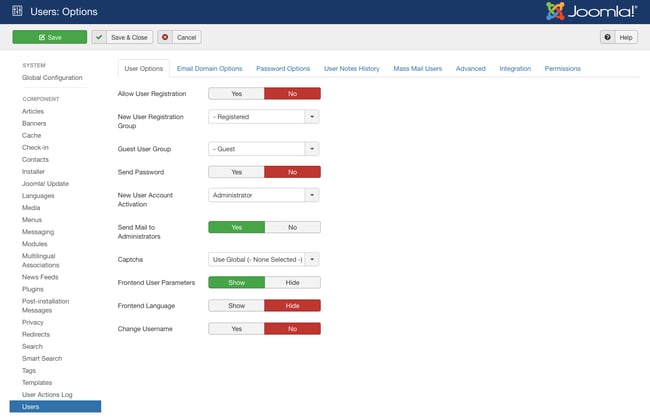
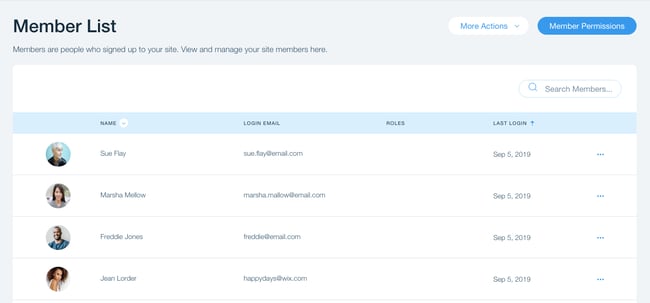
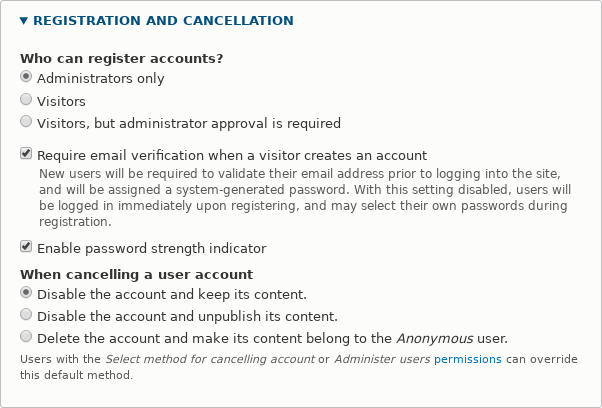
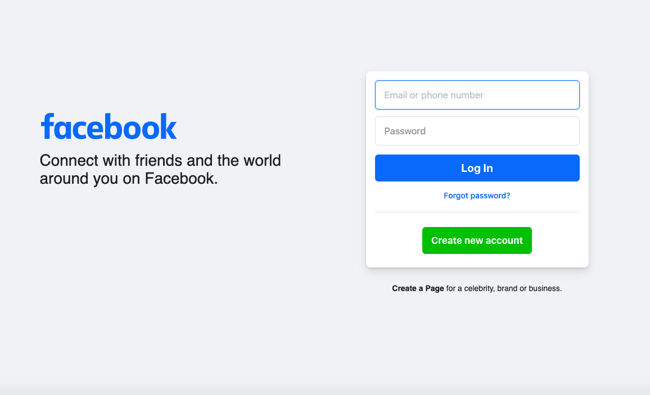
When visitors come up to your website for the first fourth dimension, they're not but looking to learn virtually your product. Ultimately, they're hither to decide whether choosing your business organization is worth their time, money, and free energy. For this reason, converting customers online requires more than just an attention-grabbing product description and a sleek homepage — your website needs to appoint visitors with an excellent feel. One popular way to provide such an experience is with user accounts. Calculation a user account feature might be a major change to your site's structure and functionality. Fortunately, today's website building software makes this possible in but a few clicks. In this commodity, I'll explain how to enable user accounts and profiles on six popular content direction systems: CMS Hub, WordPress, Joomla, Wix, Drupal, and Shopify. With a user account, a visitor creates a personalized contour on your website in lodge to tailor their feel with your web content. Accounts empower users to admission exclusive offers, contribute to a community of fellow customers, accomplish out to customer support, and receive content recommendations relevant to them. All of these benefits assist you gain consumer trust and convert visitors into engaged leads. Subsequently all, they're called "user accounts," non "company accounts." Many sites tin can gain from providing user accounts, regardless of the product or industry. If your website... ...and so you'll likely demand user accounts on your website. But earlier you keep, consider whether it'south best for your specific site to suggest or require accounts. An account should showtime and foremost enhance the user feel, and so make sure the benefits to the customer are worth the time and endeavor of signing upward. No ane should feel "forced" to create an account when they don't demand to. This is the full general process for making a website with user accounts and profiles, no matter what CMS or website builder you use. Below we'll accept a closer look at the process for 6 of the most popular platforms. If y'all haven't created a website yet, then you lot have a choice between ii types of softwares. For the simplest approach to making an account-based website, choose a website builder that specializes in membership sites. Run into our list of thebest membership website builders and platformsfor recommendations for this type of service. If yous've already built a website using a CMS, you tin can easily add together user accounts, besides. In most cases, the CMS handles the functionality of a membership site for you lot, either by itself or with an add together-on. A user account tool should innovate features for registration, login, profile customization, and restricting content to only certain registrants. CMS Hub is HubSpot'southward content direction organisation. CMS Hub fully integrates with HubSpot CRM and HubSpot'southward marketing, sales, and service tools. With an Enterprise account, you lot can limit admission to website pages, landing pages, and weblog content by contact list. After restricting a folio to selected lists, contacts on these lists will be notified via email to annals. To ready membership registration for a folio in CMS Hub: Image Source For a full guide to managing user access on your HubSpot-powered website and weblog, see our knowledge base commodity on membership registration with CMS Hub. To enable user membership on your WordPress site, a plugin is needed. In that location are many reputable options for WordPress website account management — here are some we recommend: They might take similar names, just be certain to consider how each plugin fits your specific needs and upkeep. For more WordPress plugin recommendations and some excellent examples of membership sites built with WordPress, run across our guide to creating a WordPress membership site. To activate user accounts on your Joomla site: Paradigm Source You lot can too toggle how to confirm membership through electronic mail confirmation or administrator blessing. For more detailed instructions on enabling user registration with Joomla, see Joomla's user documentation. Wix lets administrators activate user accounts with the Members Area feature, bachelor with any Wix programme. With a Members Expanse set upward on your Wix site, visitors can register and view exclusive content on member pages, and administrators tin can easily view and manage their site members. Image Source This tool is designed for easy setup, and integrates with add-on applications for conversation, blogging, events, eastward-commerce, and more than. Larn how to set up a Members Surface area on Wix'southward support site. If you want to restrict access to content without setting up a Members Area, you tin can gear up access to specific pages based on fellow member roles or make pages exclusive to paid members but. Drupal lets site administrators create roles for unlike visitors. These roles grant unlike permissions for viewing and creating website content. Drupal creates 3 roles past default: In Drupal core, y'all can also add additional roles specific for whoever may come to your website, and assign permissions to these roles. For case, a blog site might have a "writer" role for visitors with permission to create and publish content. To configure who tin can create accounts on your Drupal site and customize the registration and cancellation processes: Image Source For more complex membership site functions, Drupal relies on 3rd-party modules. Select a well-maintained, reputable Drupal module like Membership, Drupal Commerce, and/or Rules for more hands-on control over your membership site. For guidance on installing these modules, come across Drupal'south instructions. To enable customer accounts in Shopify: For more assistance editing customer account settings on your Shopify site, including how to change your site settings on a mobile device, run across Shopify'south assistance folio. Once you've gear up user registration with a built-in feature or plugin, y'all'll need to create a registration form. This type of form will enable visitors to create a user business relationship past filling out some basic information, like their proper name, e-mail address, and a countersign. Next, y'all'll need to create a login page where users tin log in afterwards they've registered. The general procedure is outlined below, but the exact steps volition depend on what CMS or website architect you use. Some website builders and content direction systems have born form builders, while others require a plugin. Whatever tool you're using, you lot want to create a login form that provides a skillful user feel. Some all-time practices to consider are accepting login alternatives like an email address or telephone number, adding a articulate "Forgot password?" link, and warning users when Caps Lock is on. Next, you need to create the page where you'll embed the login form. This will become your login folio. A login page should be elementary and consistent with your branding. Once you've created your login folio, embed the login form. This process is relatively simple on any CMS or website builder. For example, hither's what the process looks like in CMS Hub: You can and so customize the form's settings and the login page until you lot're happy with its design and functionality. The upshot should be equally simple and sleek every bit Facebook's login page and course. After setting upwardly user accounts on your website and creating a login page, be certain to test the user registration procedure on your site. Have yourself and others create test accounts on your website. Alter your test business relationship profiles, change their permissions, and check that sectional content is actually ready to exclusive. If your website is already online, consider setting it to maintenance manner while testing these changes. Temporarily hiding your site prevents any complications from new signups in this stage. Another option is to create a staging site where yous tin freely experiment with user accounts, while your live site stays untouched. During this testing phase, you'll want to bank check on the following: Did you lot receive a confirmation email upon signing up? If not, you'll want to ensure y'all've set that up. Your CMS platform may either provide an option to transport a confirmation email or you can install a plugin or extension that gives you the pick. Test the workflow a user would take when changing their password. If you lot don't receive a password change link in a timely style, something may have gone amiss during activation. You also want to take a wait at the password change e-mail to ensure it aligns with your brand both in verbiage and pattern. A member area may be simple, or information technology may be more than elaborate depending on the nature of your website. Double-check that information technology looks correct and that it offers all the options a user needs. If yous're an ecommerce brand, ensure there are options to view previous orders, change bill of fare information, and establish their shipping address. Test for mobile-responsiveness besides. If buttons are cutting off or users tin can't get to certain sections, you lot'll desire to tinker with the pattern of the membership area. Nosotros've touched upon this briefly, just brand sure all exclusive content is truly sectional to your users. If you're planning to distribute exclusive PDFs and documents, mark them with robots.txt files or noindex, nofollow meta tags and then that search engines don't crawl them, and unregistered users can't find them via a site search. As an possessor of a website where people give y'all access to their contact and card information, you'll desire to ensure yous have a privacy policy that protects these users from abuse. Even if you already take a privacy policy, yous'll demand to update it to reflect your new user section. To become started, apply a privacy policy generator such equally Termsfeed, Termly.io, or Shopify'due south. If you don't already have 1, invest in an SSL certificate to ensure your website is as secure as possible. If y'all're not certain if you take ane, utilise an SSL checker. This document changes your internet protocol from HTTP to HTTPS. In some browsers, there will be a padlock side by side to your URL, signifying that all the information users share with you will be kept private. Now that nosotros've covered how to set up upwardly user accounts and profiles, how to create a login page, and how to examination user accounts, let's recap what you'll demand to make a website with user accounts and profiles: Whether you're running an online shop, edifice loyalty through a membership site, or providing a home for user content with a hosting service, user accounts empower your visitors to stay engaged with your premium content and features, and aid you to keep runway of your customer base equally it continues to grow. No matter the CMS, you're covered. Editor'due south note: This postal service was originally published in June 2020 and has been updated for comprehensiveness. 
Why Create a Website With User Accounts?
How to Make a Website With User Accounts and Profiles
CMS Hub
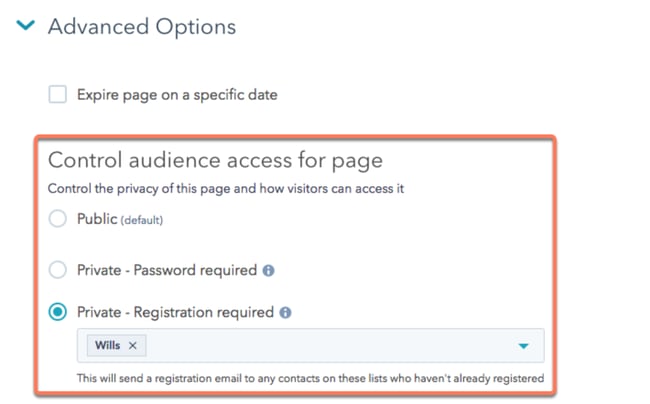
WordPress
Joomla
Wix
Drupal
Shopify
How to Create a Login Page for My Website
1. Create a login form using a form builder.
two. Create a login page.
iii. Embed the login form on the login folio.
Test Your New User Accounts
Sign-Up Confirmation Email
Password Change Workflow
Member Area Blueprint
Exclusive Offers
Privacy Policies and Terms of Use
SSL Certificate
Things You'll Demand to to Make a Website with User Logins
Grow Your Website with User Profiles


Originally published Nov 23, 2021 seven:00:00 AM, updated Nov 23 2021
Source: https://blog.hubspot.com/website/make-website-with-user-accounts
0 Response to "Allow People to Add a Review to the Website Without Being Logged in"
Post a Comment